



Storage arrays
2016.03.05 2:30 AM
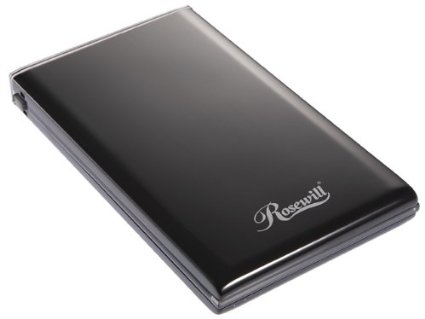
Storage arrays. These two words had been rolling around in my head for quite some time. I had always been looking for a convenient way to store my music, movies, and pictures without having to take up room on my desktop or laptop. I considered using an external hard drive since it’s small and portable, and if I used a SSD in it I would have to worry about it being loud or getting hot. In the end, I didn’t want to deal with the hassle of needing to plug it in and having to carry it around (not to mention I misplaced the last one I had).
Instead, why not just put them on a network? Problem solved. Every computer in my house would be able to access the files and even stream straight from it!
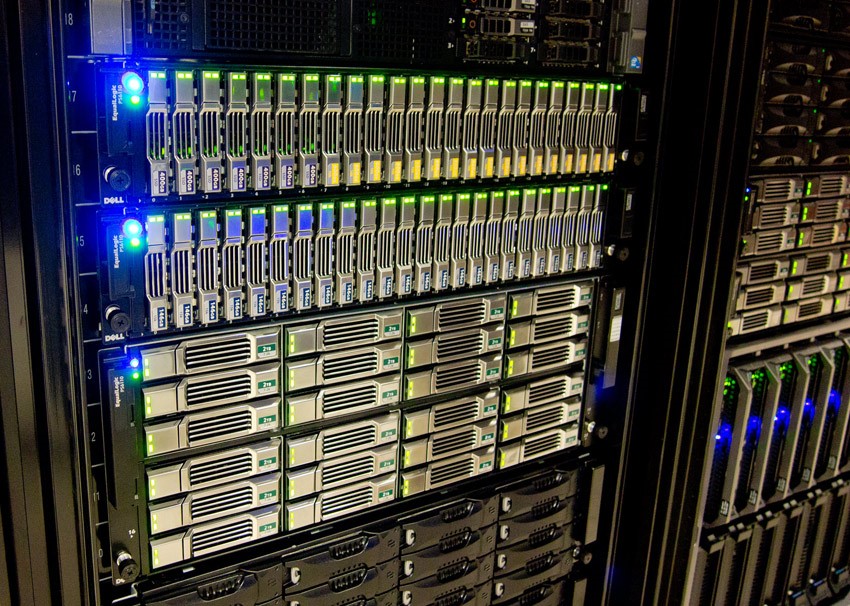
Now, I earnestly began my research. When you first think of storage arrays, you’re thinking of those massive server style racks of hard drives upon hard drives or gigantic server rooms.
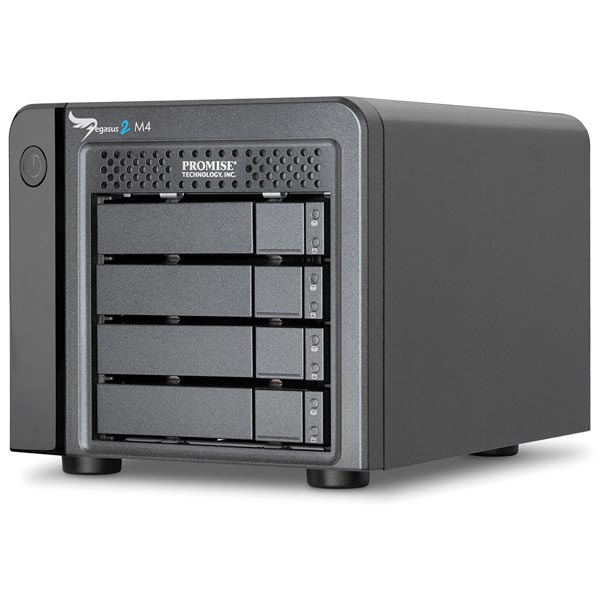
I needed something simple, easy to use, and would not take up much space. In the end I decided the best type of array for me would be a Network-Attached Storage, or NAS. All I needed, was a NAS enclosure, and drives to go in it. From there it was pretty much plug-and-play.
So, I guess the next question is, what sort of drives would I use? Typically you can find many traditional hard drives being marked as “NAS” drives such as Western Digital’s Red series or Seagate’s NAS series. These drives are generally more robust than your standard hard drives, are built with the idea that being on for extended periods of time would be the norm.
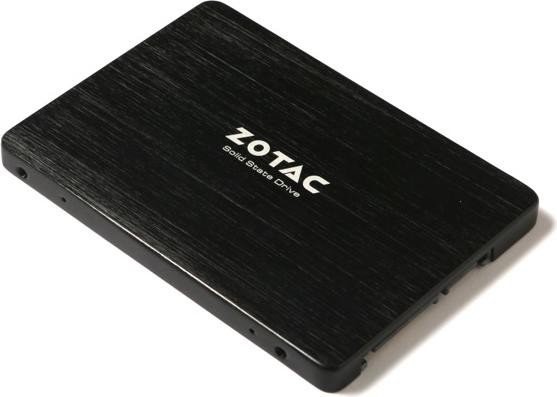
Here’s where we get into some next level sort of stuff. Why not put SSDs into the NAS? SSDs would allow me to bypass the 1 million hours Mean Time Between Failure (MTFB) of traditional hard drives and double it to 2 million. They would also produce less heat than the typical array because none of the drives would have any moving parts. Last but not least, a SSD filled NAS would let me maximize my data transfer rates!
Read Previous Article: The Road to SONIX


